

What is your content without a great name? Every piece of writing, from newbie posts to a seasoned marketer’s ultimate guide, lives or dies by its headline. Your audience might never reach the first paragraph if the blog post title fails to dazzle.
Coming up with blog title ideas is both an art and a science. There’s an art to playing with words to write catchy and creative titles, yet there’s a science to making sure those flashy headlines also get clicks and social media shares.
When you write blog titles that weave together creativity, keyword relevance and reader intent, you set up every blog post for stronger search engine visibility and more engagement.
Here’s all you need to know about crafting the catchiest, sexiest and totally rank-worthy titles.
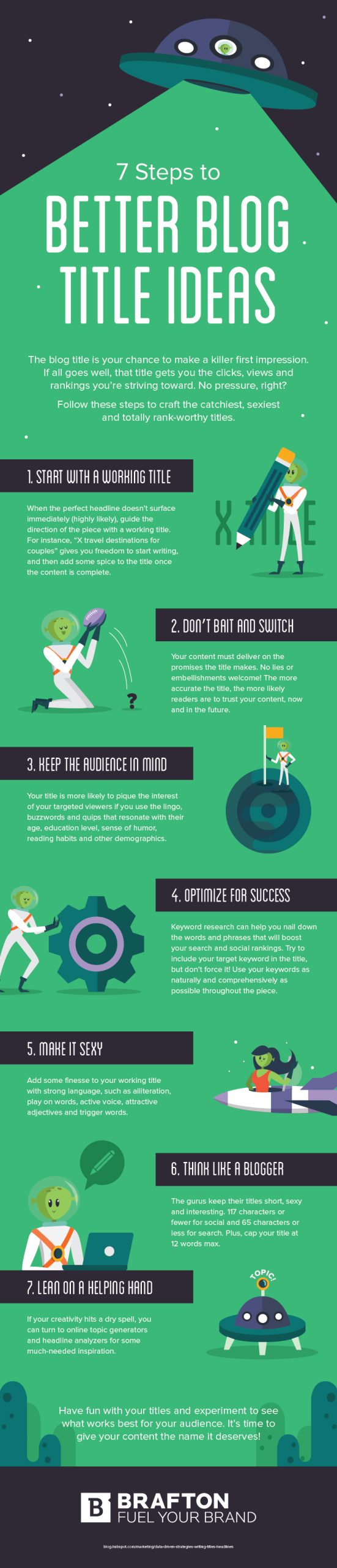
What’s in a Title?
A great title is key for getting your content read and ranked. In fact, compelling post titles can be the single most eye-catching element of your marketing strategy.
The title is the first thing potential viewers see, which means it has to make a convincing case for the content. A good headline grabs attention while also giving readers the opportunity to identify the content and determine if they want to read more.
When you write catchy headlines that align with search intent, you immediately improve the odds of your post climbing that all-important search engine results page (or SERP).
Typically, your blog post title will serve as your title tag — which is one of the most important on-page SEO pieces of metadata that Google uses to determine what the page is about. Strong, keyword-rich blog post titles help your content climb the results list and work its way through the crowded social world to pop up on potential readers’ radars.
A killer title increases clickability, driving more viewers to your site. When the content is on par with the headline, it can encourage those viewers to become loyal readers and consumers, triggering more social media shares, email forwards and backlinks.
1. Start With a Working Title
Sometimes a kick-ass title will hit you in the face immediately — the elusive spark every writer craves when sitting down to write yet another blog post. It’s a great feeling, but it doesn’t happen often for most of us.
Instead, choose a topic and start with a working (or placeholder) title. This will guide the direction of the piece, giving you the freedom to write the content before nailing the perfect title.
Say you’re writing about summer travel. Potential working titles could be:
- “X summer travel destinations for families”
- “How to save money on summer vacations”
- “Plan an unforgettable summer vacation with these X essential tips”
These working titles provide an angle that is specific enough to get you started, and you can tweak them after writing the piece without having to change anything drastic about the content to match the title — or vice versa. The result is a list of refined post title ideas that keep you organized while drafting.
2. Don’t Bait and Switch
While clickability is the goal, it doesn’t stop there. Never lie or embellish the title just to get clicks. Your content should always deliver on the title and fulfil reader expectations.
Once they click the link, readers will quickly realize if the title has very little to do with the content. The result is a huff, roll of the eyes and closed tab before they even register the name of the brand.
Set clear expectations from the jump with accurate titles. If the headline tells readers the article will show them three natural ways to zap away stubborn zits, they’ll expect to see a list-style article with the numbers 1, 2 and 3 in the sub-headings. A seamless user experience leads to longer dwell time and more social shares.
Respect your audience’s time and experience. If you don’t fulfil the promises made in the title, readers won’t trust your content. While “Breaking news: Broccoli can cure cancer” is certainly an attention-grabbing title, readers will be annoyed if the article actually discusses several health benefits of eating broccoli. Yes, they made it to your blog, but they’re wondering why you had to get them so hyped just to disappoint. (Not good for encouraging them to return to your blog any time soon!)
3. Keep the Audience in Mind
While Google is one of your most avid and important readers, remember that you’re writing for people, too. After all, consumers are the ones engaging with the blog, products and services, as well as sharing the content they enjoy.
Keep your target audience in mind when writing blog titles. How old are they? What’s the average level of education? Are they a niche group? What’s their sense of humour? Are there buzzwords or industry-specific lingo that apply to them? What kind of articles do they engage with?
With a clear picture of your audience, you can deliver titles and content that have a higher chance of piquing their interest. Tailoring your blog headline to the reader’s pain point not only drives clicks, it helps your post stand out in crowded feeds, newsletters and push notifications.
4. Optimize for Success
Your keyword research will help you craft titles that perform well on social and in search. A strategic, keyword-rich headline acts as a mini roadmap for both search engines and human readers.
Often, you’ll find that longer-tail keywords tend to have more manageable Keyword Difficulty scores, meaning the likelihood of your blog actually ranking well in SERPs relative to competitors is much higher.
You can’t ever forget that it’s still best practice to include your target keyword in your title (try your best, but don’t force it!). This tiny addition helps search engines understand relevance immediately. It’s one of the simplest ways to improve on-page SEO and future-proof your content marketing investment.
Ensure the content on your page is primarily rooted in covering a single keyword as comprehensively as possible — you will naturally use semantically related terms as you write. This helps alert search engines as to what your page is about and whether your title is true to the content.
5. Make It Sexy (But Keep It Simple)
Once you have a solid understanding of your audience and keyword goals, you can work on adding some finesse to your working title. Great blog title templates often combine emotion, clarity and urgency — three ingredients that boost click-through rates (CTRs).
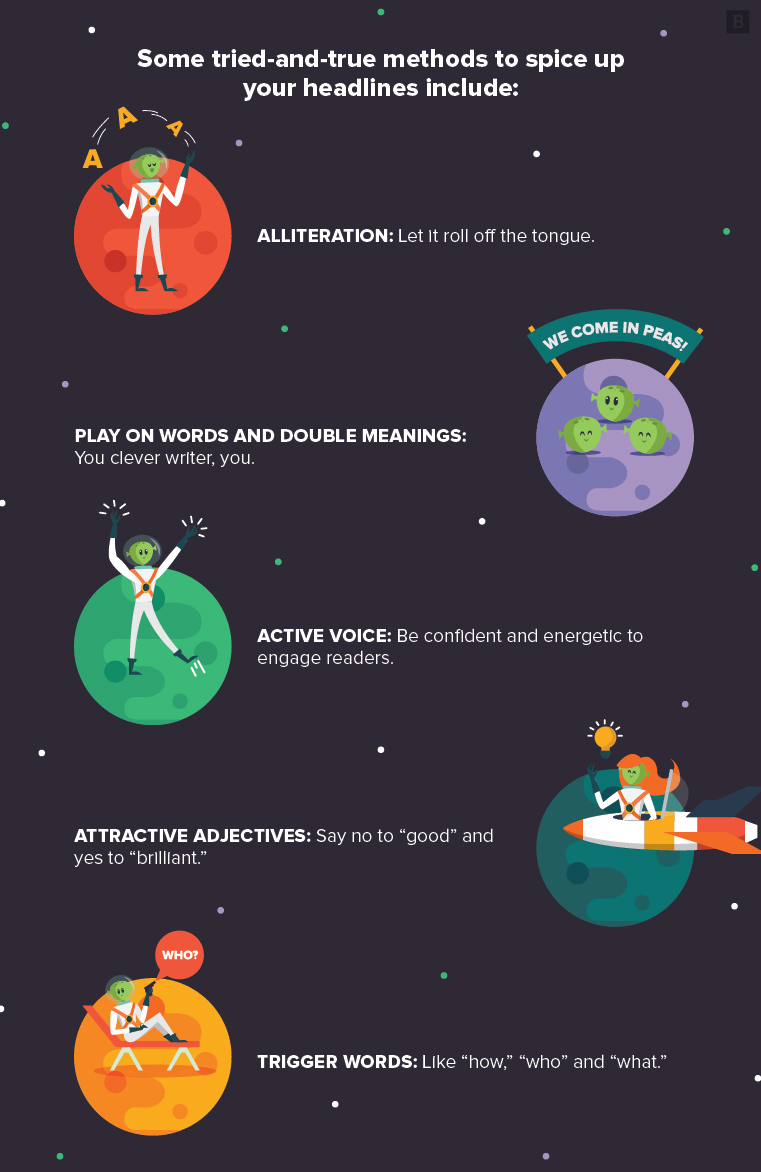
Some tried-and-true methods to spice up your headlines include:
- Alliteration – let it roll off the tongue.
- Play on words and double meanings – you clever writer, you.
- Active voice – be confident and energetic to engage readers.
- Attractive adjectives – say no to “good” and yes to “brilliant.”
- Trigger words – like “how,” “who” and “what” are very effective.
Using this stronger language also helps paint a more specific, accurate picture of the blog content. If you mention aliens in the post, “otherworldly” or “unbelievable” may be better alternatives for “good.” Vibrant, eye-catching adjectives can transform bland post titles into irresistibly clickable headlines.
Similarly, you can use language specific to the audience. If you’re writing an article for twenty- or thirty-something fashionistas about the comeback of ’90s fashion, throw “as if” in the title and they’ll be eager to read your advice on refreshing their scrunchies and chokers.
It’s also a good idea to highlight the type of article in the title, such as:
- How to talk to aliens
- 8 tips and tricks for talking to aliens
- Understanding space language [infographic]
Use these sexy additions to make your titles as visual as possible, giving readers a clear and enticing idea of the fabulous content they’re about to get into. Ultimately, when you write catchy blog titles that promise value and deliver results, your post becomes a must-click in any feed.
6. Ask Yourself: What Would a Blogger Do?
What else do the gurus do to come up with their wonderfully high-performing and attention-grabbing titles? They keep it short, sexy and interesting — and they don’t settle on the working title. Professional writers brainstorm dozens of post title ideas, test variations and refine copy until it’s perfect.
Words that drive viewers to click on headlines include:
- Photo.
- Who.
- Amazing.
- Need.
Length also plays into the success of a title. According to HubSpot’s research, 117 characters or fewer is best for social because it’s tweetable. For search, aim for 65 characters or less so the entire title appears in search results. This balance ensures maximum visibility across channels and prevents truncation that could weaken your message.
Another golden rule: Cap your title at 12 words maximum. Titles with too many words can be much harder for readers to quickly digest, increasing the chances that they’ll scroll past without bothering to click. You’ll also want to place your most important words at the beginning of the title to protect them from being cut off in email, social and search results.
Plus, think about your personal experience with blogs — which ones make you click? Use those titles for inspiration when crafting your own. Analyzing your favourite headlines is a free, real-world masterclass in writing better blog post titles that convert.
7. Lean on an Idea Generator When Needed
If you’re running low on creativity, you can lean on a few resources for inspiration. An online generator tool can save the day when writer’s block strikes at the worst moment.
HubSpot’s Blog Ideas Generator helps you brainstorm more interesting topics and working titles, which will lend themselves to sexier final titles.
The Blog Title Generator by SEOPressor uses your keywords to generate a list of catchy titles to choose from. You can use them verbatim or put your own creative spin on the options offered. It’s a quick way to gather several blog title templates for A/B testing.
BlogAbout by Impact also offers a Blog Title Generator, which provides title ideas with blank spaces for you to fill in specific information about the blog post in question.
That being said, you won’t want to rely on these generators for every single post. We believe in your ability to craft kick-ass titles, and so should you. Once you’re comfortable, consider these generators a creative springboard rather than a crutch.
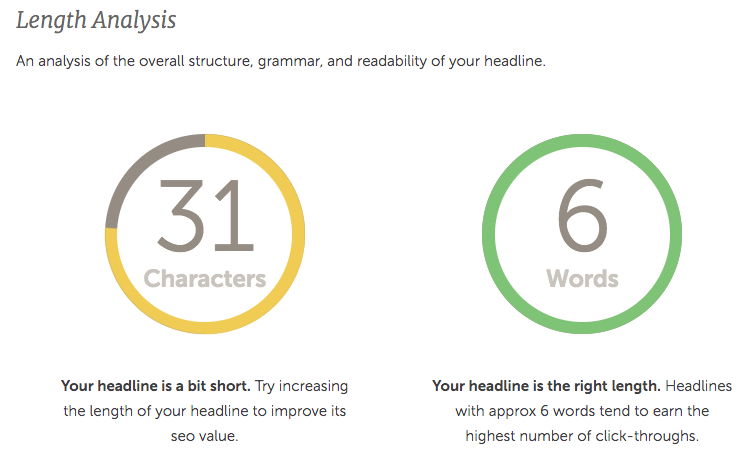
If you need a boost in confidence, run your title through the Headline Analyzer from CoSchedule. This handy resource rates your title on its ability to perform. The good news is that you don’t have to score a 100 to feel good about your title. As long as you’re in the green (70+), you’re good to go.
For instance, if our targeted keyword for this post was “headlines,” here’s how a potential title would perform:
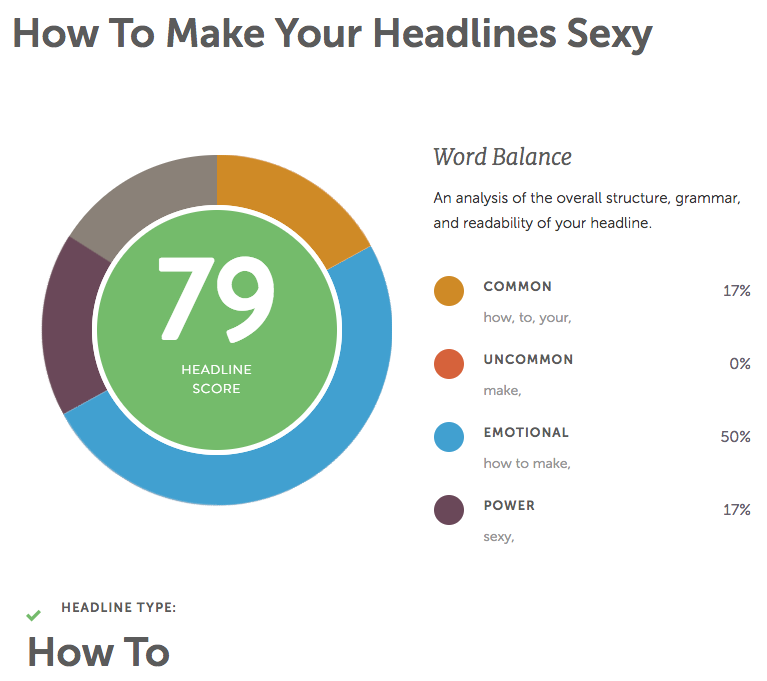
Scroll down for more analysis, as well as some helpful tips on how to improve your score.
Another great resource is…wait for it… other humans. You can always get opinions from co-workers, collaborators or your team leads whenever you need them. Brainstorm sessions often produce the most creative blog post ideas and inspire all kinds of writing (and headline) magic.
Your Parting Gift
oprah you get a car gif
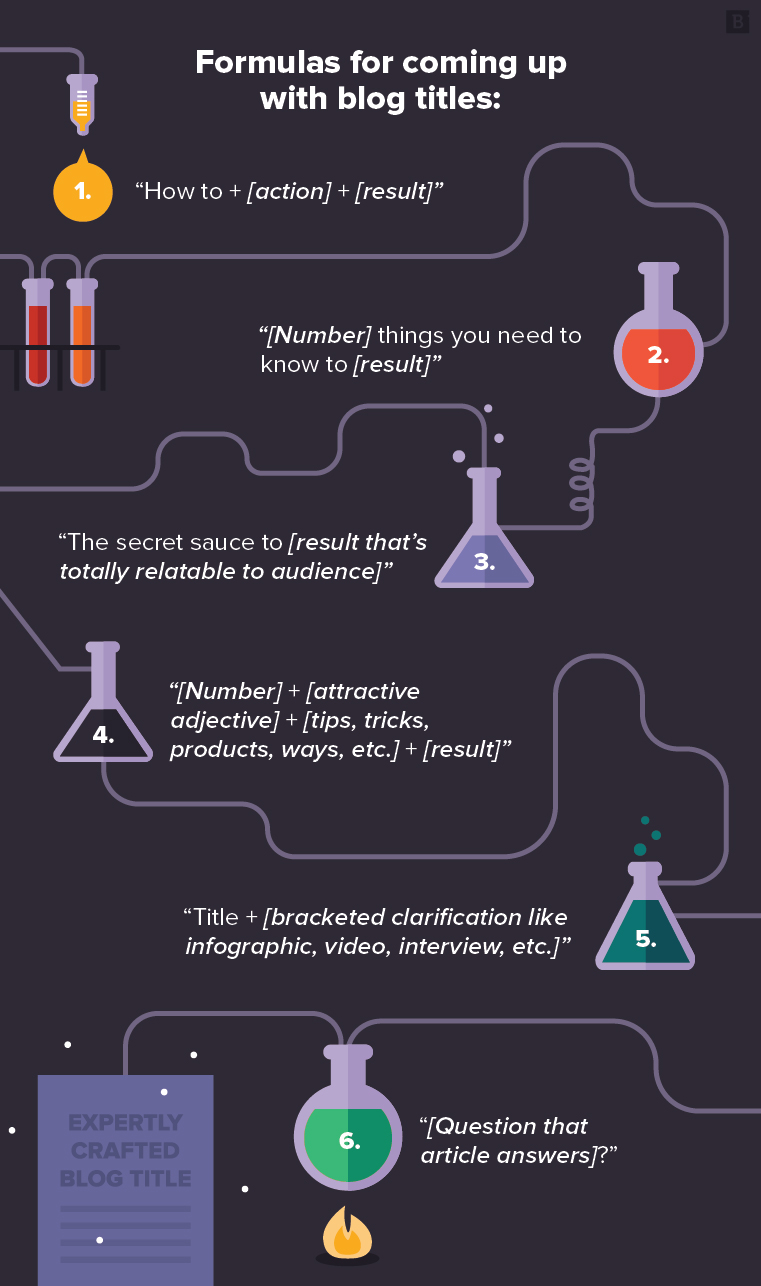
Before we leave you to craft the sexiest titles of your life, here are a few formulas you can use to come up with banging blog titles:
- How to + [action] + [result]
- [Number] things you to know to [result]
- The secret sauce to [result that’s totally relatable to the audience]
- [Number] + [attractive adjective] + [tips, tricks, products, ways, etc.] + [result]
- Title + [bracketed clarification like infographic, video, interview, etc.] +
- [Question that the article answers]?
At the very least, these templates can get your creative juices flowing. Don’t be afraid to break the rules and experiment with different methods. Track performance and see what suits your audience. Over time, you’ll build an archive of proven post titles that blog readers love, making future campaigns easier.
You got this. Go give your blog posts the names they deserve, and watch those social shares, CTRs and organic rankings soar!
Editor’s note: Updated January 2025.